Five myths about our posture – part 2
How sitting and standing naturally become lighter when you understand your own system
In my previous blog, I discussed the first major misconception about posture: the idea that we have to “lift ourselves up” against gravity. In this part, I look at the remaining four myths that often make us work harder than necessary and unconsciously build tension while sitting or standing. When you begin to understand how your body wants to support itself and how posture can improve naturally, more space, ease, and trust in your natural organization emerge.
Myth 2: “To sit upright, I have to use my muscles.”
Many people stretch themselves when they want to sit or stand upright. They lengthen along the spine and unconsciously push themselves away from the chair or the ground. It feels active and “good” for a moment, but the body stiffens internally and can no longer respond smoothly to movement.
When this becomes a habit, you often carry that muscle tension into everything you do — even when resting, lying down, or sleeping — which can seriously get in the way of improving posture.
When you learn to trust the supporting capacity of your skeleton, you need to do much less. Muscles then become freer for breathing, movement, and balance. Sitting upright becomes lighter, more natural, and far less tiring.
Myth 3: “Sitting means sitting still.”
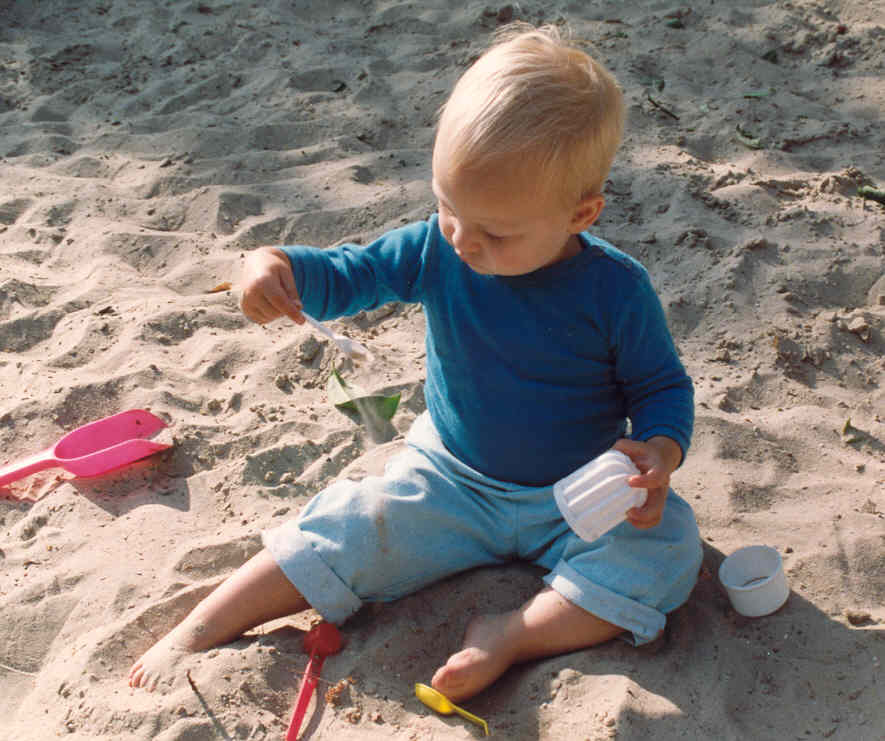
We often think of posture as something static: that you’re only sitting “well” when you don’t move. But the pelvis is actually designed to be dynamic. It wants to roll over the sitting bones forward and backward and subtly shift from left to right.
When you allow this play of movement, your whole posture gains more options and improving posture starts to happen naturally. You don’t use muscles to fix yourself in place, but to sense where support is. Your belly, your breath, and the energy in your center participate, making sitting feel alive. A posture emerges that isn’t rigid, but constantly changing, just like the rest of you.
Myth 4: “My back has to hold me upright.”
The spine is organized far more subtly than we often imagine. Many people picture it as a flat structure because they only feel the spinous processes when lying down. In reality, the vertebrae rest on each other like a flexible tower, supported by the pelvis, of which the sacrum is a part.
When you allow the pelvis to rest precisely on the sitting bones, the vertebral bodies stack themselves naturally. The front of the lumbar vertebrae even lies deep in the abdomen — much further inward than most people imagine.
When you can feel this space, your entire posture changes. Sitting becomes simpler, fuller, and more three-dimensional. And standing follows the same principle: sitting, but on your legs. Standing can feel just as effortless when your skeleton is allowed to do its job and you experience yourself more spatially.
Myth 5: “If I pull my shoulders back, I sit straighter.”
We’ve all learned it: shoulders back, chest out. It feels like you’re straightening yourself, but it’s misleading. Your shoulder blades belong to your arms, not your torso. They give your arms their freedom of movement.
When you use them to sit upright, your arms lose mobility. Many people who unconsciously do this for years develop shoulder pain because the muscles are constantly working against themselves. The shoulder joint remains under tension.
When you let go of this habit, calmness and suppleness return to your arms, your breathing, and your upper body. You don’t need to push to be upright; you only need to feel where your body wants to be supported by the skeleton.
A more natural, calmer way of being upright
Unraveling these myths shows that sitting or standing upright doesn’t have to be effortful. It can be light, fluid, and full of possibilities. That’s exactly what I let people experience in my lessons: how posture arises when muscles cooperate with gravity instead of working against it.
From that experience, we sit differently, stand differently, and naturally move with more ease.
Let me know what these insights bring up for you. Do you recognize some of these habits? Do you have questions about the way you sit or stand? You’re always welcome to email me.